A recent Legionnaires’ disease outbreak in London has once again highlighted a critical truth about how this dangerous illness spreads—and, just as importantly, where it does not typically originate.
According to the UK Health Security Agency (UKHSA), at least eight confirmed cases have been identified as of March 23, 2026, with an additional 13 cases under investigation. All confirmed cases share identical bacterial sequence types, suggesting a common environmental source rather than unrelated exposures.
No Single Source Identified—But Patterns Are Clear
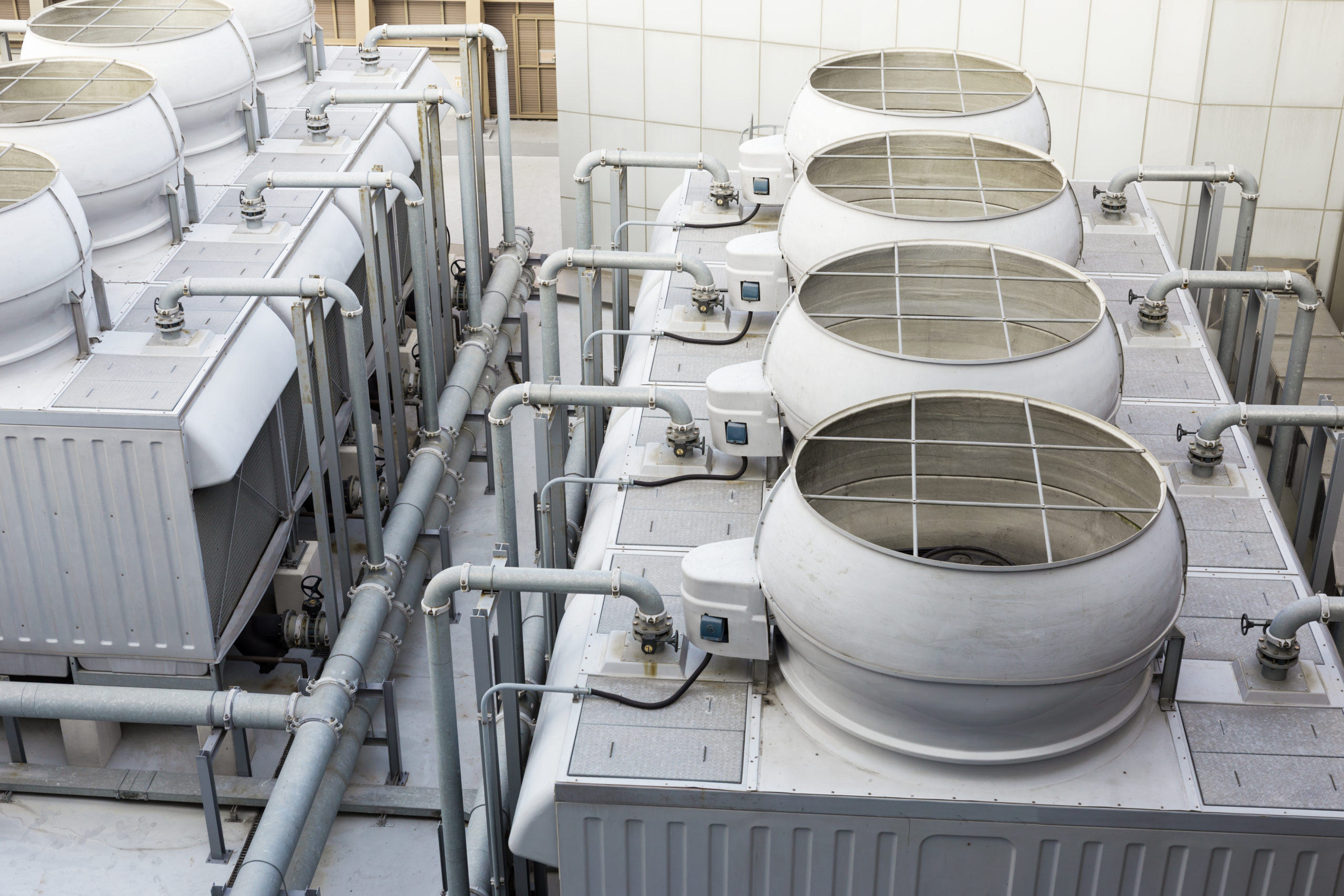
Health officials have not yet identified a single exposure site. However, the investigation is focusing on environmental water systems, particularly:
- Cooling towers
- Large building water systems
- Aerosol-generating equipment
Authorities have already taken precautionary steps, including:
- Site inspections
- Water sampling and testing
- Shock-dosing of cooling towers
These measures are consistent with established public health practice when amplification systems—not upstream water supply—are suspected.
What This Outbreak Reinforces
Legionnaires’ disease is not caused simply by the presence of Legionella bacteria in water. The bacteria are commonly found at low levels in many water systems worldwide.
The real danger arises when conditions allow the bacteria to multiply and become aerosolized, including:
- Warm temperatures
- Stagnant water
- Poor maintenance
- Complex plumbing or HVAC systems
In this outbreak, officials are specifically examining these types of downstream building systems, where amplification can occur.
Symptoms and Vulnerable Populations
Legionnaires’ disease is a severe form of pneumonia caused by inhaling contaminated water droplets. Symptoms include:
- High fever
- Persistent cough
- Shortness of breath
- Muscle aches and headaches
Older adults, smokers, and individuals with weakened immune systems are at highest risk.
The Bigger Takeaway: Focus on Building Systems
The London outbreak underscores a key point for policymakers, property owners, and public health officials:
The primary risk of Legionnaires’ disease lies in poorly managed building water systems, not in the general presence of bacteria in water supplies.
Effective prevention depends on:
- Proper maintenance of cooling towers and HVAC systems
- Water management plans for large buildings
- Routine monitoring and rapid response protocols
Final Thoughts
As investigations continue in London, the pattern remains consistent with decades of scientific evidence: Legionnaires’ disease outbreaks are driven by localized amplification in man-made water systems.
Understanding this distinction is essential—not only for controlling outbreaks, but for ensuring that regulatory efforts are focused where they can actually prevent illness.