Travelers come to Kauaʻi to relax, not to end up in the hospital with pneumonia. Yet the Hawaiʻi State Department of Health (DOH) is now investigating two confirmed cases of Legionnaires’ disease in visitors who stayed at Nihi Kai Villas, a multibuilding condominium property on the island. Testing has found Legionella bacteria in the property’s water systems, and health officials are looking for additional cases going back to January 2025.
If you or a loved one stayed at Nihi Kai Villas and became seriously ill, you may have questions about what happened, and about who is responsible. Here is what we know so far.
What health officials have found
On November 4, 2026, DOH announced that it is investigating two confirmed cases of Legionnaires’ disease. Both patients were nonresident visitors who had stayed at Nihi Kai Villas.
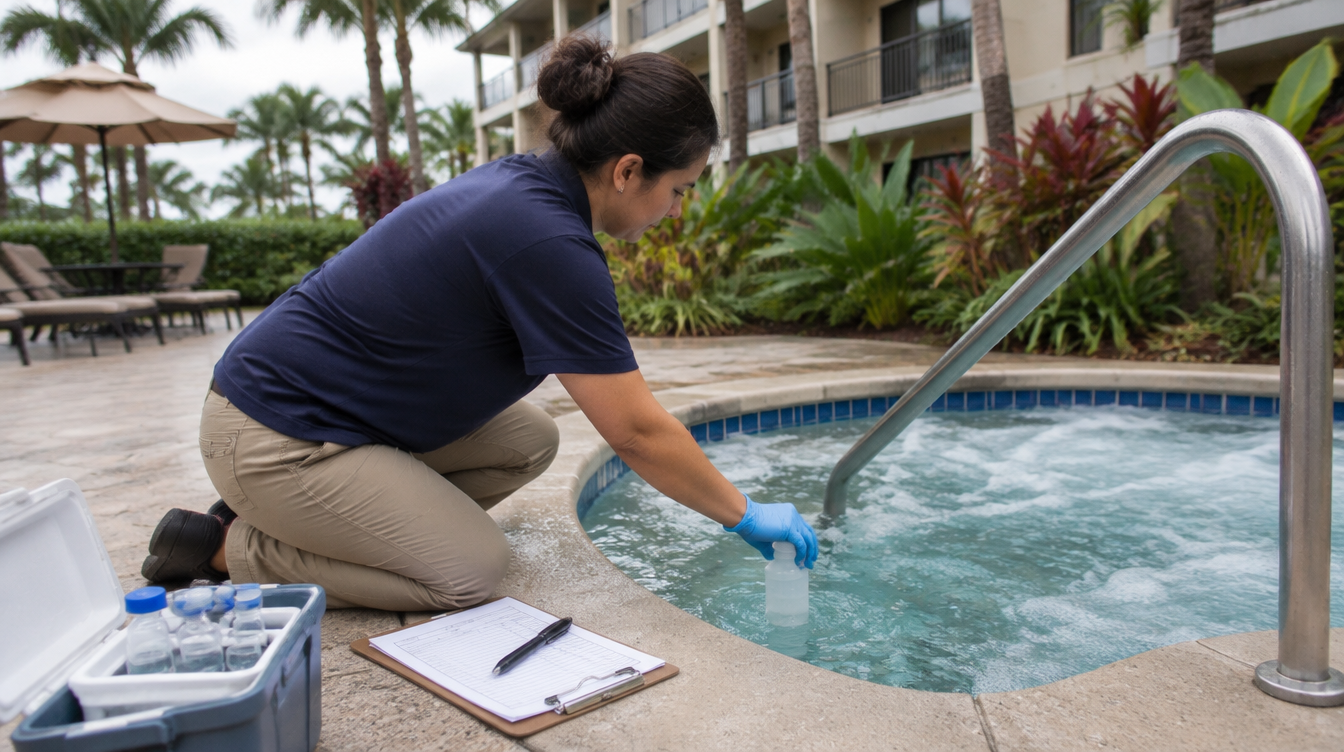
As part of the investigation, DOH received water testing results from the property on October 13, 2026. Those results showed Legionella bacteria in the property’s water systems, and DOH said the findings indicate a potential ongoing risk of exposure for guests and residents.
The department says the exact source of exposure and the extent of the potential spread are still under investigation. DOH is:
Working with Nihi Kai Villas to address the health risk
Reviewing possible cases dating back to January 2025
Alerting public health agencies nationwide and asking them to report Legionnaires’ cases involving people who traveled to Hawaiʻi
That nationwide alert matters. Most guests at a vacation property go home after their stay, so someone could fall ill in another state without ever connecting their pneumonia to a condo in Hawaiʻi.
Legionnaires’ disease is a water system problem
Legionnaires’ disease is a serious type of pneumonia caused by Legionella bacteria. The bacteria occur naturally in freshwater, but they become dangerous when they grow inside human-made water systems, such as:
Showerheads and sink faucets
Hot tubs
Cooling towers
Large plumbing systems
People get sick by breathing in small water droplets that contain the bacteria, for example while showering or sitting near a hot tub. The disease does not spread from person to person.
Because Legionella thrives in poorly maintained water systems, the people who own and operate large buildings have a responsibility to manage those systems. The U.S. Centers for Disease Control and Prevention recommends that building owners and managers put water management programs in place to reduce the risk of Legionella growth. When a hotel, resort, or condominium fails to do that, guests can pay the price.
Could you be one of the affected guests?
DOH is asking two groups of people to contact its Disease Outbreak Control Division at 808-586-4586:
Recent guests: anyone who stayed at Nihi Kai Villas within the past two weeks and develops symptoms of Legionnaires’ disease. These guests should also seek medical attention right away.
Past guests: anyone who developed pneumonia within two weeks after staying at the property at any time since January 2025.
Symptoms usually appear 2 to 14 days after exposure and include cough, shortness of breath, fever, muscle aches, and headache. Most healthy people exposed to Legionella do not become ill, but the risk is higher for people age 50 and older, current or former smokers, and people with chronic lung disease or weakened immune systems.
Legionnaires’ disease is treatable with antibiotics, but it can be severe, especially for those higher-risk groups. Many patients face hospital stays, time away from work, and a long recovery.
Steps to protect your health and your rights
If you stayed at Nihi Kai Villas and became ill, these steps can protect both your recovery and any future claim:
Get medical care and ask about Legionella. Tell your doctor where you stayed. Legionnaires’ disease can look like other pneumonias, and a specific test, such as a urine antigen test or sputum culture, is what confirms it.
Report your illness to DOH at 808-586-4586 so your case becomes part of the official investigation.
Keep every record. Save booking confirmations, receipts, travel itineraries, photos from your stay, medical records, test results, and bills.
Write down a timeline of when you arrived, when you left, when symptoms began, and when you sought treatment, while the details are fresh.
Be careful what you sign or say. If the property, its management company, or an insurance company contacts you, consider speaking with a lawyer before giving a statement or accepting any offer.
Act promptly. Legal claims are subject to strict deadlines, and evidence such as water system records can change or disappear over time.
Who may be held responsible?
The investigation is ongoing, and no one has yet determined how the bacteria got into the water or why it was able to grow. Depending on the facts, responsibility in a Legionnaires’ case can fall on the parties who own, manage, or maintain a property’s water systems. That can include property owners, management or rental companies, homeowners’ or condominium associations, and outside maintenance contractors.
People who are sickened by a preventable Legionella exposure may be entitled to compensation for medical expenses, lost income, pain and suffering, and long-term health effects. When Legionnaires’ disease is fatal, the family may have a wrongful death claim.
How Jules Zacher PC can help
Our firm represents people who have contracted Legionnaires’ disease. We know how to investigate outbreaks, work with health department findings and water testing data, and hold negligent property owners and operators accountable.
If you or a family member stayed at Nihi Kai Villas and developed Legionnaires’ disease or pneumonia, contact Jules Zacher PC at 215-988-0160 or www.legionnairelawyer.com for a confidential consultation.
This post is for general information only and is not legal or medical advice. Reading it does not create an attorney-client relationship.
Legionnaires’ Disease Cases Tied to Kauaʻi Condo: What Sickened Guests Should Know About Their Rights was last modified: November 11th, 2026 by zacherlaw