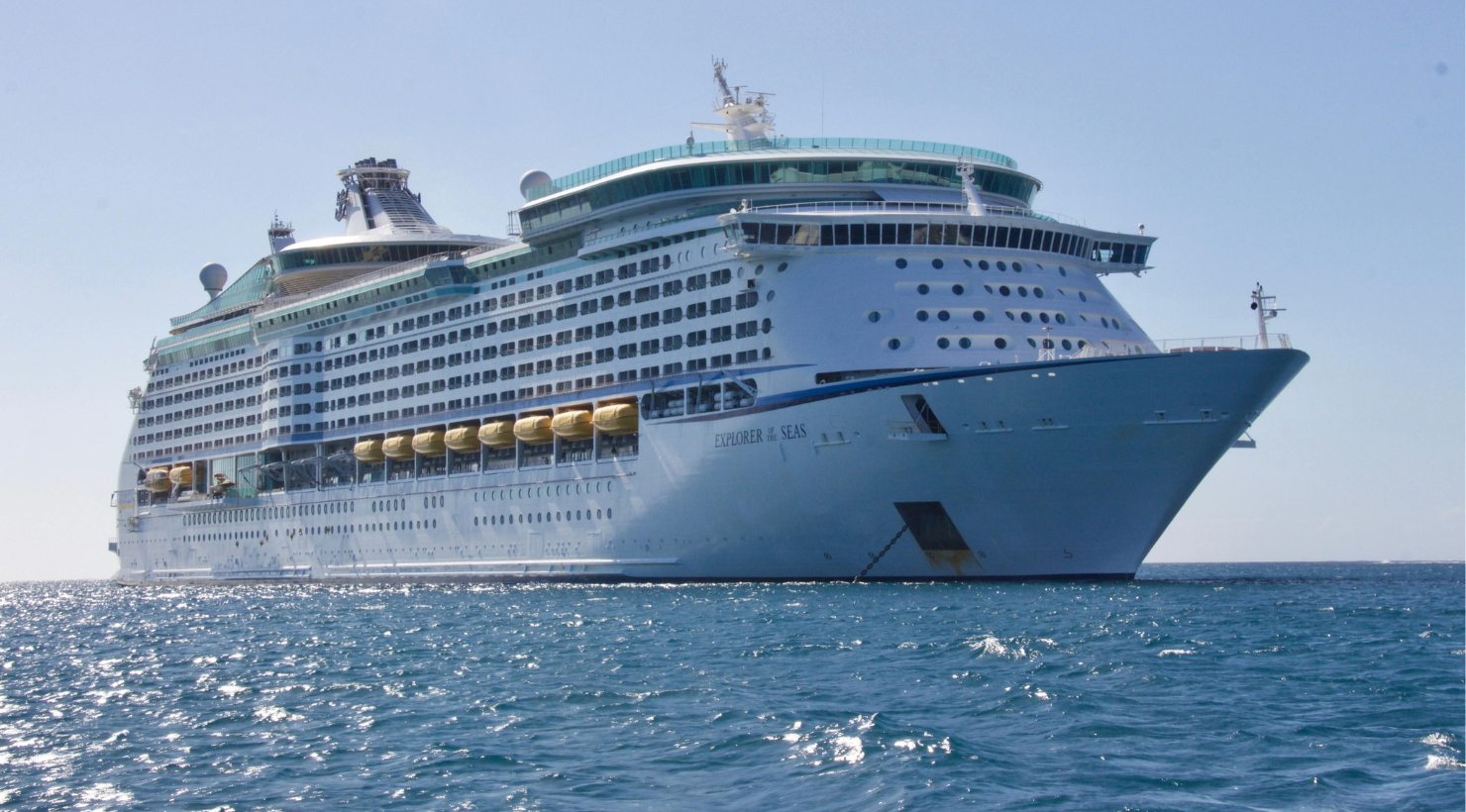
For many travelers, booking a cruise ship cabin with a private balcony hot tub is the ultimate luxury. But recent findings from the Centers for Disease Control and Prevention (CDC) suggest that these private spas may carry a serious health risk: Legionnaires’ disease.
A CDC investigation linked multiple Legionnaires’ disease cases to private hot tubs located on cruise ship balconies, raising concerns about how these water features are maintained and regulated.
News article
The discovery highlights an important issue for travelers and cruise operators alike: hot tubs can become breeding grounds for Legionella bacteria when maintenance and sanitation protocols are inadequate.
What Is Legionnaires’ Disease?
Legionnaires’ disease is a severe form of pneumonia caused by Legionella bacteria, which grow in warm water systems.
People typically become infected when they inhale small droplets of contaminated water, often from:
- Hot tubs and spas
- Cooling towers
- Decorative fountains
- Plumbing systems
- Showers or faucets
Once inhaled, the bacteria can infect the lungs and cause serious illness.
CDC Investigation: Cruise Ship Hot Tub Outbreaks
Between November 2022 and June 2024, the CDC was notified of 12 cases of Legionnaires’ disease among cruise ship passengers, with ten individuals requiring hospitalization.
News article
After investigating the outbreaks, researchers concluded that private balcony hot tubs were the likely source of exposure.
News article
These tubs were found to be subject to less stringent maintenance standards than public hot tubs aboard cruise ships, allowing Legionella bacteria to grow more easily.
News article
Why Cruise Ship Hot Tubs Can Spread Legionella
Hot tubs create an environment that is ideal for Legionella growth.
Key risk factors include:
Warm Water Temperatures
Legionella bacteria multiply rapidly in warm water between 77°F and 113°F, which overlaps with the temperature range of many hot tubs.
Aerosolized Water
The bubbling and jets of a hot tub create fine mist droplets that can carry bacteria into the air.
Inconsistent Maintenance
Private hot tubs may not receive the same routine monitoring, chemical treatment, and cleaning required for public spas.
Complex Plumbing Systems
Hot tubs often contain pipes, pumps, and filters where biofilm can accumulate, allowing bacteria to persist.
Who Is Most Vulnerable to Legionnaires’ Disease?
Certain individuals are at greater risk of severe illness:
- Adults over age 50
- Current or former smokers
- People with chronic lung disease
- Individuals with weakened immune systems
Because many cruise passengers fall within these higher-risk categories, outbreaks aboard cruise ships can be particularly concerning.
Symptoms of Legionnaires’ Disease
Symptoms usually develop 2 to 10 days after exposure and may include:
- High fever
- Persistent cough
- Shortness of breath
- Muscle aches
- Headaches
- Fatigue
Legionnaires’ disease requires prompt medical treatment with antibiotics, and severe cases may require hospitalization.
What Cruise Lines Should Do to Prevent Legionella
Public health experts recommend that cruise ship operators adopt comprehensive water management programs, including:
- Regular Legionella testing
- Strict sanitation protocols for all hot tubs
- Design reviews of private spa systems
- Routine inspection and monitoring
The CDC specifically recommends that cruise operators inventory all hot-tub-style devices across their fleets and evaluate the risk of Legionella growth.
News article
Safety Tips for Cruise Passengers
Travelers can also take steps to reduce their risk:
- Ask about hot tub cleaning and maintenance practices
- Avoid hot tubs that appear poorly maintained
- Consider using water test strips to check sanitation levels
- Seek medical care promptly if respiratory symptoms develop after travel
Early diagnosis significantly improves recovery outcomes.
The Broader Issue: Legionella in Travel and Hospitality
The cruise ship outbreaks serve as a reminder that Legionella bacteria can grow in many types of building water systems, including:
- Hotels
- Resorts
- Hospitals
- Apartment complexes
- Cruise ships
When water systems are poorly managed, outbreaks can occur.
Preventing Legionnaires’ disease requires consistent maintenance, monitoring, and accountability.
Conclusion
Private balcony hot tubs may seem like a harmless luxury, but the CDC’s findings demonstrate that they can become unexpected sources of Legionnaires’ disease if sanitation standards are not properly enforced.
Greater awareness among travelers, cruise operators, and public health officials is essential to prevent future outbreaks.
As the cruise industry continues to expand, maintaining safe water systems must remain a top priority.